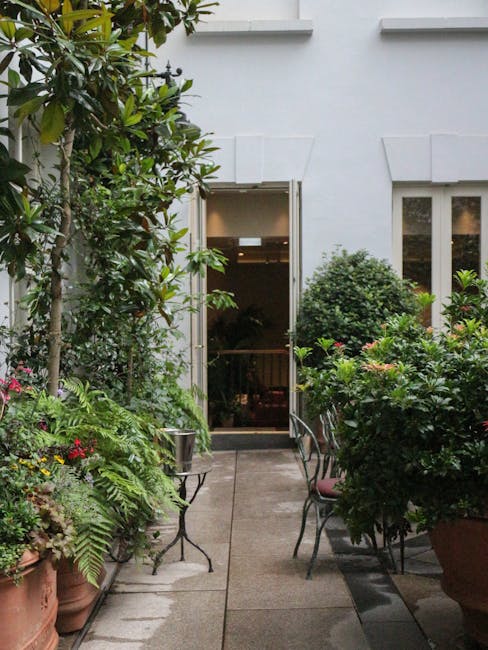
Top gardeners in St James SW1A for small courtyard gardens
If you are trying to make a compact courtyard feel brighter, calmer, and easier to live with, you are not alone. Small outdoor spaces in St James SW1A can be beautiful, but they also demand a very specific kind of skill. The top gardeners in St James SW1A for small courtyard gardens understand how to work with limited square footage, awkward shade, wind tunnels, overlooked corners, and all the little details that make a space feel either polished or cramped. The right approach is not about packing in more plants. It is about making every inch earn its keep.
In this guide, you will find a practical breakdown of what good courtyard gardening looks like, how local gardeners usually approach these spaces, what to ask before hiring, and which ideas tend to work best in a central London setting. We will also cover maintenance, design choices, compliance, and the common mistakes that can quietly ruin a small garden. To be fair, courtyard gardens are often more demanding than larger plots. But when they are done well, they can feel like a private room outdoors.
Table of Contents
- Why this matters for small courtyard gardens in St James SW1A
- How a courtyard gardening service usually works
- Key benefits and practical advantages
- Who this is for and when it makes sense
- Step-by-step guidance
- Expert tips for better results
- Common mistakes to avoid
- Tools, resources and recommendations
- Law, compliance, standards, and best practice
- Options, methods, and comparison table
- Case study or real-world example
- Practical checklist
- Conclusion
- Frequently asked questions
Why Top gardeners in St James SW1A for small courtyard gardens Matters
Small courtyard gardens are deceptively tricky. You are often dealing with limited sun, reflected heat from walls, drainage issues, and the need to keep the space tidy every week rather than every season. In a place like St James SW1A, where properties are often close together and outside areas may be enclosed by stone, brick, or fencing, plant choice and layout become absolutely central.
The best gardeners for these spaces are not just plant people. They are space planners. They know how to create a sense of depth, soften hard surfaces, and avoid the "fussy but still empty" look that happens when a courtyard has been filled with random pots and one too many impulse buys. You want a garden that feels intentional. Not cluttered. Not bare. Balanced.
There is also a practical reason this matters: small gardens can become expensive mistakes very quickly. A poorly chosen climber can overwhelm a wall. The wrong soil can leave plants constantly stressed. A patio that is never cleaned can make the whole area feel smaller and less inviting. Good local gardeners help prevent that. They think ahead, which saves time, money, and a fair bit of frustration.
For readers who want the space to stay manageable rather than becoming a weekend chore, a professional maintenance plan can be the difference between a courtyard you enjoy and one you quietly avoid. If you want to explore broader support options, garden maintenance in St James is often the most practical starting point.
How Top gardeners in St James SW1A for small courtyard gardens Works
A quality courtyard gardening service usually begins with a proper look at the space. That sounds obvious, but you would be surprised how often people try to design first and measure later. In a tight garden, the sequence matters.
Here is the typical flow:
- Assessment of light, shelter, access, and surfaces. A small courtyard can have very different conditions in each corner. One side may be bright all morning, while another stays damp and shaded.
- Understanding how you actually use the space. Do you want dining? Quiet reading? Pots of herbs? A place for pets? This changes everything.
- Choosing a design that suits the footprint. That might mean vertical planting, restrained planting palettes, or a mix of beds and containers.
- Preparing the ground and hard surfaces. Soil improvement, weed management, and cleaning the patio or paving all create a stronger base.
- Planting and finishing. This includes spacing, support structures, irrigation habits, and the final visual balance.
- Ongoing care. Courtyard gardens need pruning, feeding, deadheading, and tidy-up work to hold their shape.
In real life, the best results usually come from combining horticultural knowledge with a bit of restraint. Courtyards are not meant to behave like country gardens. Let them be what they are: intimate, architectural, and carefully edited.
If your courtyard is mostly paving with a few tired containers, the transformation often begins with structure. That may include container planting, defined edges, and a smarter planting pattern. A helpful read on this is container gardening ideas for compact spaces, which fits the reality of many central London gardens very well.
Key Benefits and Practical Advantages
When a courtyard garden is planned properly, the gains are bigger than most people expect. It is not only about looks, though that matters. It is also about how the space feels in daily life.
- Better use of every square metre. Small gardens need efficient design, not excess.
- Cleaner sightlines. Good gardeners know how to guide the eye so the space feels larger.
- Lower long-term maintenance. A sensible planting scheme is easier to keep under control.
- Improved privacy. Carefully placed climbers, screening plants, or subtle hedge work can soften overlooked walls.
- More usable outdoor living. A courtyard can become a breakfast spot, reading corner, or quiet retreat.
- Healthier plants. Proper soil, drainage, and positioning make a huge difference in small beds and pots.
There is also a psychological benefit, and it is a real one. A well-kept courtyard can make a home feel more settled. You step outside with a coffee in the morning, hear a bit of water or rustle from the planting, and the whole place just exhales a bit. That may sound sentimental, but it is often what people are paying for, really.
For those looking to reduce the ongoing burden, low-maintenance gardening tips can help shape a courtyard that looks good without demanding constant attention.
Who This Is For and When It Makes Sense
This type of service makes sense for a wide range of people, not just property owners with grand ideas. In fact, small courtyard gardens are often the easiest places to improve quickly because the project scope is manageable.
You may benefit from hiring a specialist gardener if you are:
- a homeowner who wants a smarter, more inviting outdoor room
- a landlord preparing a courtyard for viewings or new tenants
- a busy professional who wants a garden that stays tidy with minimal effort
- someone struggling with shade, wind, or lack of privacy
- a family wanting a safer, calmer garden layout
- an older resident who needs practical upkeep rather than high-maintenance planting
It also makes sense if your courtyard has become a bit of a "later project." You know the kind. A broken pot here, some weeds there, a patch of moss on the paving, and one plant that is somehow still alive but clearly unhappy. Nothing dramatic, just a slow slide. A skilled gardener can turn that around without overcomplicating things.
For first-time clients especially, it can help to start with a wider service overview such as gardening services in St James, then narrow the work to maintenance, planting, or redesign as needed.
Step-by-Step Guidance
If you are planning a courtyard refresh, this is the practical route I would suggest. It is simple, but not simplistic.
- Measure the usable space. Not just the whole courtyard, but the real planting area, walking space, and storage or seating zones.
- Note the light pattern. Morning sun, afternoon shade, and reflected heat all matter. A north-facing courtyard needs a different approach from a south-facing one.
- Decide the main purpose. Is the garden for relaxing, entertaining, growing herbs, screening views, or all of the above? Be honest. Tiny gardens cannot do everything at once.
- Clear and clean the space first. Remove dead plants, old compost, debris, and any slippery buildup on paving.
- Improve the soil or containers. Good compost, drainage, and the right pot sizes make a major difference.
- Create structure before planting. Use climbers, planters, trellis, or a restrained arrangement of shrubs to give the space shape.
- Choose plants with the site in mind. Shade lovers, compact evergreens, herbs, or hardy seasonal plants all have their place.
- Add finishing touches. Seating, lighting, and a few carefully chosen features can make the whole area feel complete.
- Set a maintenance rhythm. Even a beautiful courtyard goes sideways if it is ignored for a month or two. Truth be told, that is just how gardens behave.
A useful side note: if you are unsure where to begin after a neglected patch, a focused makeover process can help. See initial steps for a garden makeover for a grounded starting point.
Expert Tips for Better Results
Courtyard gardens reward smart edits more than big gestures. Here are some practical ideas that experienced gardeners often lean on.
1. Use height, but keep it controlled
Vertical interest helps a small garden feel layered. Climbers, wall planters, and slim structures can soften plain walls and draw the eye upward. Just avoid allowing growth to sprawl without structure. A beautiful wall can become a tangled mess quite quickly.
2. Repeat a small plant palette
Repetition creates calm. In a limited space, too many plant varieties can make the garden look busy and smaller. Pick a few shapes, textures, and leaf colours, then repeat them in a thoughtful rhythm.
3. Keep surfaces clean
Patio stone, paving joints, and corners collect grime and moss. Regular cleaning does more for perceived space than many people realise. If your courtyard uses hard landscaping, consider pairing planting with patio cleaning so the whole area feels fresher.
4. Don't ignore shade
Shade is not the enemy. It is just a design condition. Some of the best small courtyards lean into shade with evergreen climbers, ferns, or foliage-heavy planting rather than fighting for full-sun plants that never quite settle. A useful companion guide is evergreen climbers for darker spaces.
5. Think about the view from inside
Most courtyard gardens are seen from a doorway, kitchen, or sitting room first. Plan that view carefully. One focal plant, a bench, or a simple container grouping can change how the entire home feels.
6. Keep one "easy win" herb or scent area
A few pots of thyme, mint, rosemary, or lavender can make a tiny courtyard feel lived in and useful. It is a small touch, but a lovely one.
And yes, sometimes the smallest upgrade is just a better pot. Not glamorous, but there we are.
Common Mistakes to Avoid
Small courtyard gardens can go wrong for very ordinary reasons. The good news is that most of them are avoidable once you know what to look for.
- Choosing plants for a magazine look instead of the actual site. A plant must suit the light, wind, and soil. Pretty labels do not help if the plant sulks.
- Overfilling the space. Too many pots, seats, or ornaments can make a courtyard feel boxed in.
- Ignoring drainage. A compact space with poor drainage can quickly become waterlogged or slippery.
- Forgetting maintenance access. If you cannot comfortably reach the back corner, pruning and weeding will become a nuisance.
- Using the wrong scale. Oversized furniture or tall features can dominate the garden and make it feel smaller.
- Letting climbers go wild. They are brilliant for screening, but they still need pruning and direction.
- Not planning winter structure. A courtyard that looks lovely in June should still have some form in January.
Wind is another sneaky issue in central London courtyards. Tight spaces can funnel gusts, especially between buildings. If that sounds familiar, tips for windy garden success are worth a look.
Tools, Resources and Recommendations
The best gardeners use straightforward tools well rather than relying on a huge kit. In a courtyard setting, precision matters more than brute force.
Useful tools and materials often include:
- hand trowels and cultivators for tight beds and containers
- secateurs for shaping, deadheading, and tidy pruning
- a lightweight hose or watering can for controlled watering
- quality compost and mulch for moisture retention
- trellis, wire supports, or wall-mounted systems for climbers
- slim containers with proper drainage holes
- weed control tools and edging tools for neat boundaries
For property owners who like to understand the practical side before committing, it helps to review service information and support pages such as pricing and quotes, about us, and contact so you know how enquiries are handled and what to expect next.
If you are thinking about a more design-led refresh, some helpful adjacent reading includes vertical gardening ideas and seating area inspiration. They are especially useful if you want your courtyard to feel more like an outdoor room than a pass-through space.
Law, Compliance, Standards, and Best Practice
Courtyard gardening is not a heavily regulated service in the way some trades are, but there are still sensible standards to follow. A trustworthy gardener should work safely, respect access arrangements, and avoid damaging neighbouring properties or shared boundaries.
In practice, that means:
- working carefully around utilities, drains, and existing structures
- keeping the site tidy to reduce slip and trip risks
- using appropriate PPE and safe lifting methods where needed
- disposing of green waste responsibly
- being clear about scope, timing, and any limitations before work begins
If work involves taller planting, cutting back large shrubs, or anything near fragile structures, the gardener should use proper judgment and avoid guesswork. For more detail on company approach, it is reasonable to review health and safety information and insurance and safety guidance. Those pages help build trust, especially if work involves tools, ladders, or multiple visits.
Householders should also understand the practical terms of service. Pages such as terms and conditions, payment and security, and complaints procedure are not glamorous reading, sure, but they matter. They set expectations and reduce confusion later.
Options, Methods, and Comparison Table
Not every courtyard needs a full redesign. Sometimes a gentle maintenance-led approach is enough. Other times, the garden needs structure, planting, and layout changes. Here is a simple comparison to help you think it through.
| Approach | Best for | Strengths | Limitations |
|---|---|---|---|
| Maintenance-only | Courtyards that are already laid out well | Cost-conscious, fast, tidy results | Won't solve poor layout or weak planting structure |
| Planting refresh | Spaces that need colour, texture, and seasonal interest | Good visual impact without full rebuild | Still needs upkeep and plant selection discipline |
| Courtyard redesign | Spaces that feel awkward, cluttered, or underused | Best for long-term transformation | More planning, time, and usually a bigger budget |
| Vertical and container-led design | Very small or shady spaces | Flexible, space-saving, visually layered | Containers need watering and feeding more often |
For many St James SW1A properties, the sweet spot is often a mix of maintenance and planting refresh. That gives you visible improvement without tearing everything apart. If the planting area is especially modest, ground cover ideas can also help soften bare patches without overcrowding the garden.
Case Study or Real-World Example
Here is a realistic example based on the kind of courtyard many London homes have. Imagine a narrow paved space behind a townhouse: one wall, one boundary fence, a couple of tired pots, and a patchy bit of moss near the drain. It is not a disaster. It is just underused.
The gardener starts by clearing dead foliage and pressure-free debris, then checks where water sits after rain. Next, they introduce structure: two tall planters for visual height, a slim bench for seating, and a trellis with a shade-tolerant climber on the wall. Instead of choosing lots of different plants, they use a repeated palette of green foliage, one flowering accent, and a few herbs near the door for scent and convenience.
The result is not dramatic in a flashy way. It is better than that. The courtyard suddenly feels calmer, less hard-edged, and more like part of the home. By the second visit, there is less weeding, fewer awkward corners, and much more confidence about how the space should be used. Small win, big feeling.
That sort of transformation often begins with a careful reset rather than a full rebuild. If you are dealing with a garden that needs rescuing from neglect, this garden makeover guide is a sensible companion piece.
Practical Checklist
Use this checklist before booking or starting work in a small courtyard garden. It keeps things focused, which is exactly what compact spaces need.
- Measure the courtyard accurately, including tight access points
- Identify light, shade, wind, and damp areas
- Decide whether the goal is relaxing, entertaining, screening, or planting
- Check the condition of paving, drains, borders, and walls
- Choose a plant palette that suits the site, not just the mood board
- Plan for at least one vertical or layered element
- Leave enough circulation space so the garden does not feel cramped
- Confirm what maintenance will be needed after the initial work
- Review safety, insurance, and service terms before any job begins
- Ask for a clear quote and timeline
If you keep this simple list in mind, you will avoid most of the easy-to-make mistakes. And honestly, that is half the battle with small gardens.
Get a free quote today and see how much you can save.
Conclusion
The best gardeners for small courtyard spaces in St James SW1A bring more than planting skills. They bring judgement, restraint, and a proper feel for how a tiny outdoor space should work in real life. That combination matters because courtyard gardens do not forgive clutter, poor plant selection, or vague planning. They reward thoughtful design, steady maintenance, and a light touch.
If you are considering a refresh, start with what the space needs most: cleaner surfaces, better structure, and plants that suit the conditions. From there, the garden can become quieter, greener, and much more enjoyable day to day. Not perfect, maybe. Better than perfect, often. More real.
And if you are standing at the back door wondering whether the little courtyard could ever feel special, the answer is usually yes. With the right help, it can.
Frequently Asked Questions
What makes a gardener suitable for small courtyard gardens in St James SW1A?
The best fit is someone who understands compact layouts, shade, drainage, plant restraint, and how to make limited space look balanced rather than crowded. In a courtyard, experience matters a lot.
How often does a small courtyard garden need maintenance?
It depends on the planting style, but many courtyards benefit from regular light upkeep rather than occasional heavy work. A little and often approach usually keeps the space looking sharp.
Can a very shady courtyard still look good?
Absolutely. Shade can be turned into an advantage with the right climbers, foliage plants, and containers. Some of the most elegant courtyards are the ones that lean into shade rather than fight it.
Is container gardening a good option for tiny outdoor spaces?
Yes, especially where access is awkward or the space is mainly paved. Containers make it easier to control soil, move plants around, and create structure without digging up the whole area.
What should I ask before booking a gardening service?
Ask about experience with small spaces, maintenance expectations, insurance, timing, plant recommendations, and how they handle waste and follow-up care. Clear answers are a good sign.
How do I stop a courtyard from feeling cluttered?
Use a limited plant palette, repeat materials, keep furniture slim, and avoid too many decorative pieces. Small spaces need editing. That is the whole trick, really.
Do courtyard gardens need special watering routines?
Often, yes. Pots and small beds dry out faster than larger gardens, especially near walls or paving. The right watering routine depends on sun, wind, and container size.
Can a courtyard garden include seating without losing space?
Yes, if the seating is proportionate and positioned carefully. Built-in benches, slim chairs, or foldable pieces can work very well in compact gardens.
What are the most common mistakes with small gardens in central London?
Overcrowding, poor drainage, the wrong plant choices, and ignoring maintenance are the big ones. Courtyards are unforgiving in that sense, but also easier to fix than people think.
How do I know if I need maintenance, planting, or a full redesign?
If the layout works but the space looks tired, maintenance and planting may be enough. If the courtyard feels awkward, dark, or unusable, a redesign may be worth it. A proper assessment usually makes this clearer.
Are evergreen plants useful in small courtyards?
Very much so. They keep shape and colour through the year, which helps avoid that bare winter look. They are especially useful where you want structure without constant replanting.
Where can I find more guidance on improving a small London garden?
You can explore related practical guides on topics like hedge trimming, vertical planting, low-maintenance layouts, and container gardening on the same site. These are all useful if you want to build a better courtyard step by step.